FLORA
The flora of the Satpura national park is such that it forms a thick, green textile that spreads across the entire forest and envelops it. It's more than just a backdrop for wildlife, it's the root for all the animals and birds that call this place home.
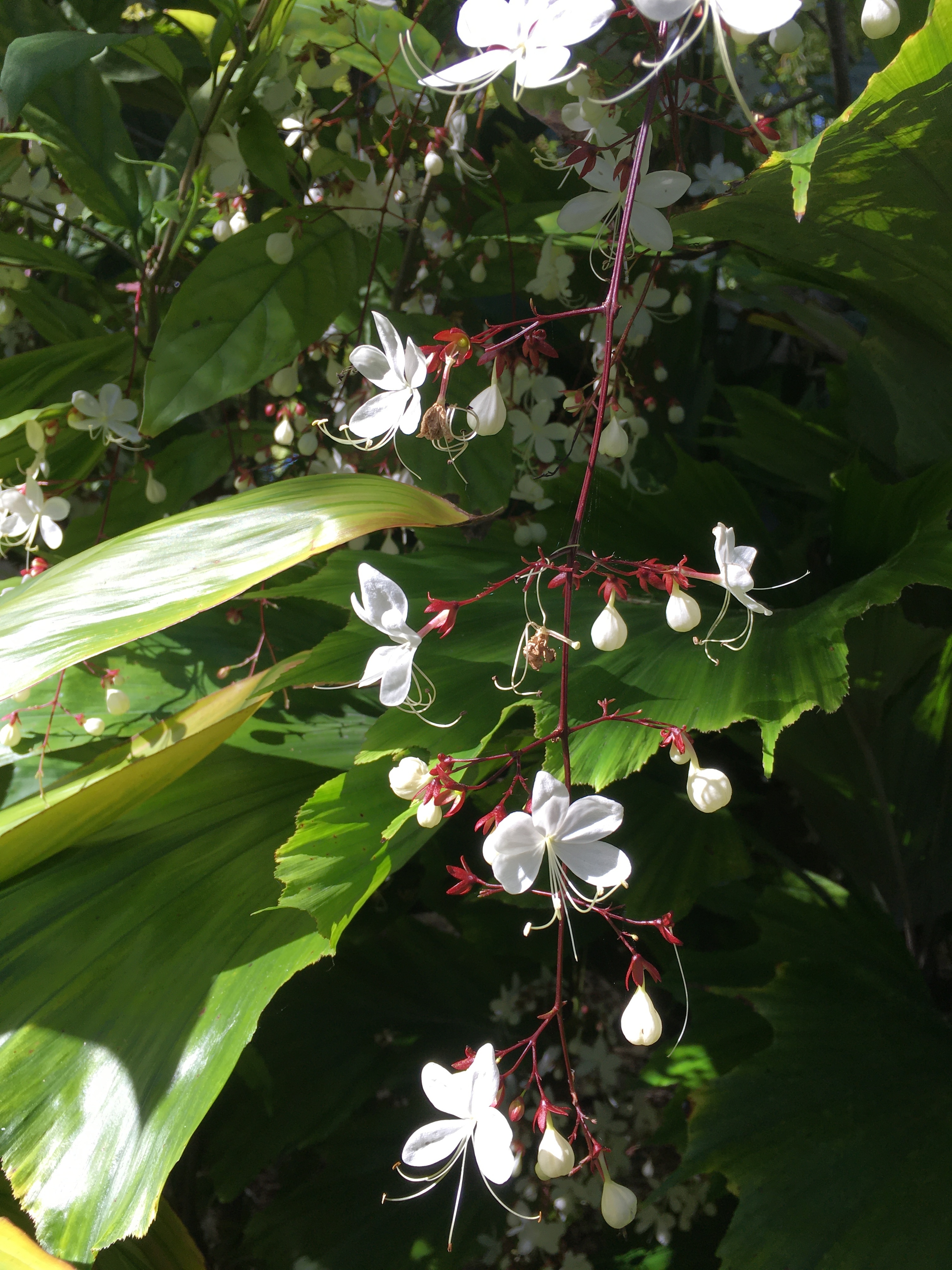
As you walk through Satpura you will be underneath tall, powerful trees among which the mighty Sal and the precious teak are the most prevalent. Beneath these towering giants, there is a whole world of shorter plants. You will also get an opportunity to witness exotic herbs, which are used in traditional medication along with bright flowering shrubs which add color to the undergrowth.
This amazing ensemble of plants from the tallest tree to the tiniest fern makes a consolidated, buzzing home to wildlife. It offers nutrition, habitat, and protection and in Satpura, all those ingredients combined make for a forest that really hums with life, and in which even the smallest speck of dust is capable of nurturing every one of its inhabitants.
Among the you will find the following trees of importance:
- Sal and Teak: These are the most frequent and most important trees. "They are very tall and strong trees, that form the first layer of the forest."
- Mahua: This tree is very helpful. Its flowers are fermented to produce a local drink, and its seeds yield oil.
- Bambu: There are large patches of bambu vegetation here and there. Bamboo is a staple food for many animals .
- Tendu: The leaves of the tree Tendu are used to make ‘beedis', a form of native cigarette.
Shade, food and shelter that these trees provide for the animals of park is very significant.A few of the animals that live in the national park area.
- Lesser Vegetation: Shrubs, Herbs and Climbers
- The forest floor beneath the towering trees is blanketed with a myriad of smaller plants. Three groups can be recognized in this layer:
- Shrubs: These are petite bushy plants which grow under the big trees.
- Climbers: They’re like nature’s ropes. They ascend the giant trees for the sunlight, too.
- Grasses: Some grasses different types of them cover the land in several places as sustenance for animals such as deer and bison.
A Natural Medicine Cabinet
Among the unique aspects of Satpura's vegetation is its treasure trove of medicinal plants. There are approximately 64 species of plants that have been traditionally used for many years as medicines for different diseases. This turns the forest into a natural drugstore.
Why is this Plant Life So Important?
The incredible variety of plants in Satpura is what makes the entire ecosystem work.
- Home for Animals- The dense forest has been a home and hiding place to tigers, leopards and other timid creatures.
- Food for All: The leaves, fruits and seeds of these trees are a staple food for several herbivores such as deer and monkeys. Those herbivores serve as food for the carnivores.
- Clean Air and Water: The plants need to keep the air clean and they defend the soil, so that rivers and lakes can offer clean water.
To sum up, the splendid species rich plant life in the Satpura National Park is the base on which all the wild animals are dependent. It's what makes the magical green world so beguiling to visitors.
FAUNA
The Amazing Wildlife of Satpura National Park
The Satpura National Park is a cornucopia of fauna. There are so many animals that are not common in other parks in India. Because of a unique combination of habitat types and a long-standing history of wildlife conservation, Satpura provides a unique jungle experience for every nature enthusiast. Everything from large, magnificent cats to small, vibrant butterflies can be found throughout the park.
The Star Attractions: Mammals
Mammals Satpura's most famous inhabitants are mammals. There are some 50 species of mammal in the park.
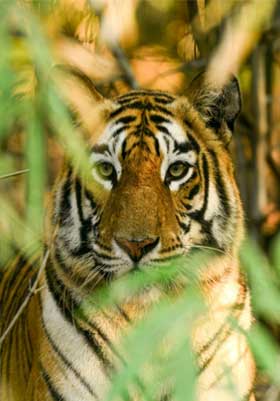
- The Big Cats: the park prides itself on its Royal Bengal Tigers and stunning Leopards. To spot one of these majestic creatures a truly exhilarating experience.
- Other large mammals: The powerful Indian Bison (Gaur), the shaggy Sloth Bear and the highly intelligent Wild Dogs (Dholes) can also be observed.
- Deer and Antelope - There are Chital or Spotted Deer, Sambar and the rare and wonderful Four-Horned Antelope (Chousingha) in the forests and grasslands.
- Exotics & Rarities: Satpura is also one the finest areas to see the Indian Giant Squirrel. This squirrel is huge and gorgeous with dark-colored fur. Yes, you might be even luckier to see the Flying Squirrel as it leaps from tree to tree in the dark.
A Birdwatcher's Paradise
For bird enthusiasts, Satpura is like a dream realized. With more than 250 species, it is always a treat to color and sounds. Among the pretty birds you can spot are the Malabar Pied Hornbill, the graceful Paradise Flycatcher and the Honey Buzzard. The park’s rivers and lakes draw a large number of water birds, so the birdwatching is excellent.
- Some of the beautiful birds you can see include the Malabar Pied Hornbill, the elegant Paradise Flycatcher, and the Honey Buzzard.
- The rivers and lakes in the park attract many water birds, making it a great place for birdwatching.
Reptiles, Butterflies, and More
The wildlife diversity doesn't stop with mammals and birds.
- Reptiles: The park has about 30 species of reptiles. The Marsh Crocodile can often be seen sunbathing on the banks of the Denwa River.
- Butterflies: The many flowers and moist climate make Satpura an ideal home for over 50 species of butterflies. Look for the beautiful Blue Pansy, the Great Eggfly, and the cleverly disguised Oakleaf butterfly.
Why is Satpura's Wildlife So Special?
Everything the park animals need are the park animals should be able to get here, and that's why so many different species call this place home. The thick woods provide cover and sanctuary. The plains land provides grass for the animals to feed on and the rivers serve water for all. It is the combination of these perfect elements that allows one to make Satpura National Park such an exceptional place to experience the glories of the wild.