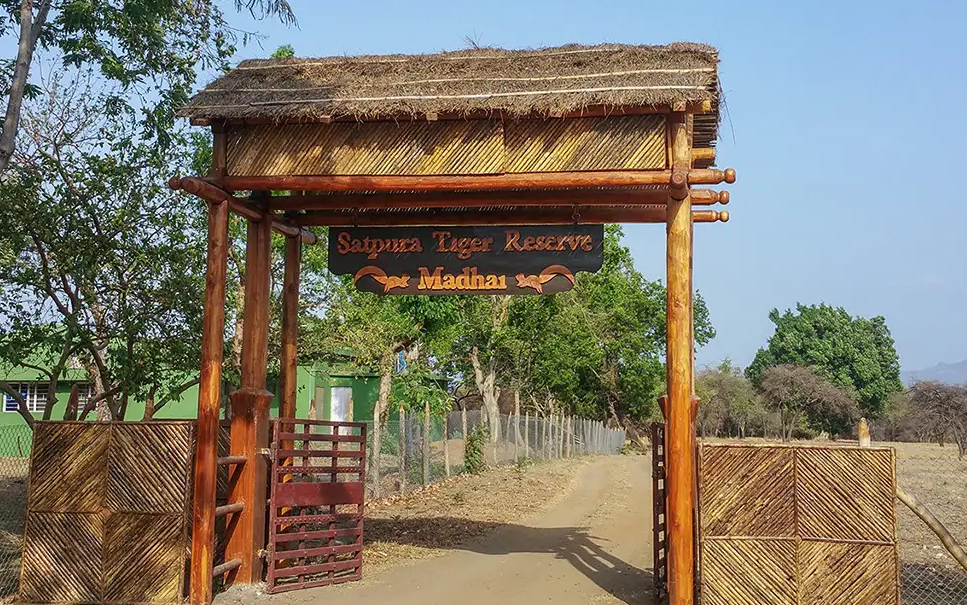
Best Time to Visit Satpura National Park
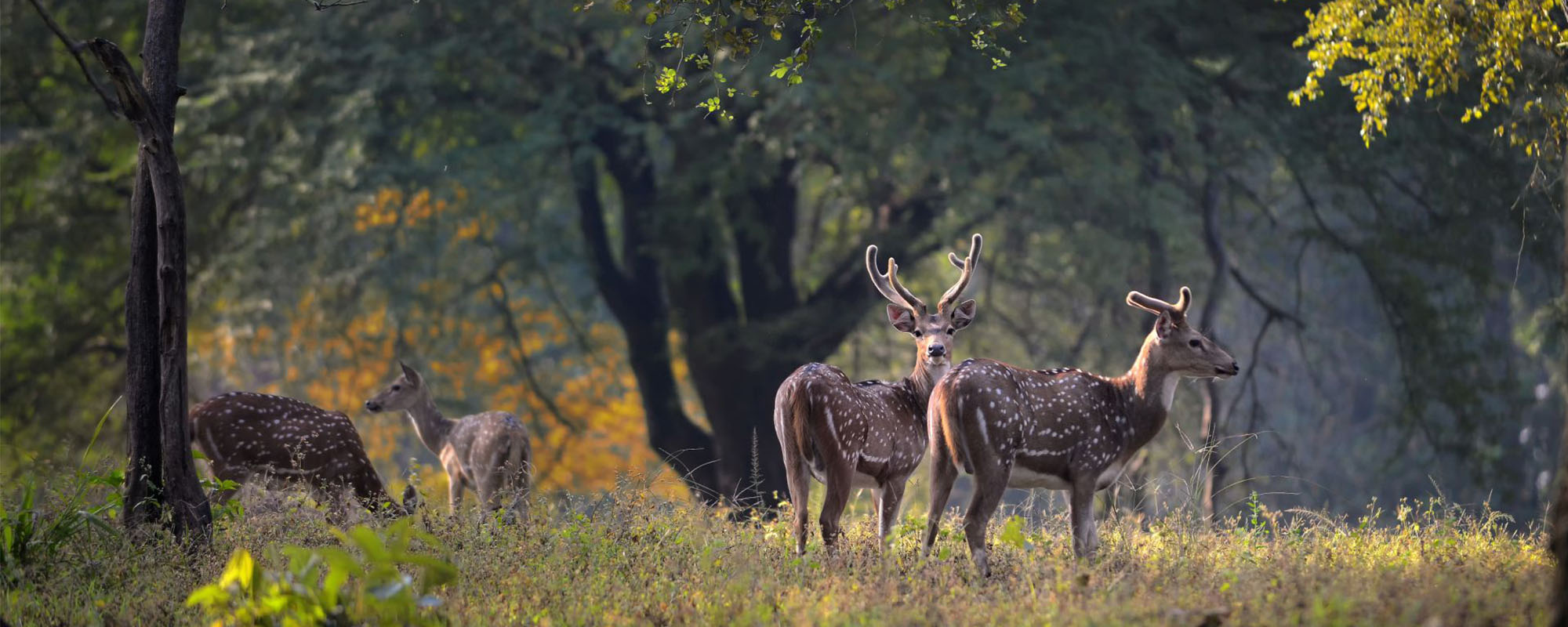
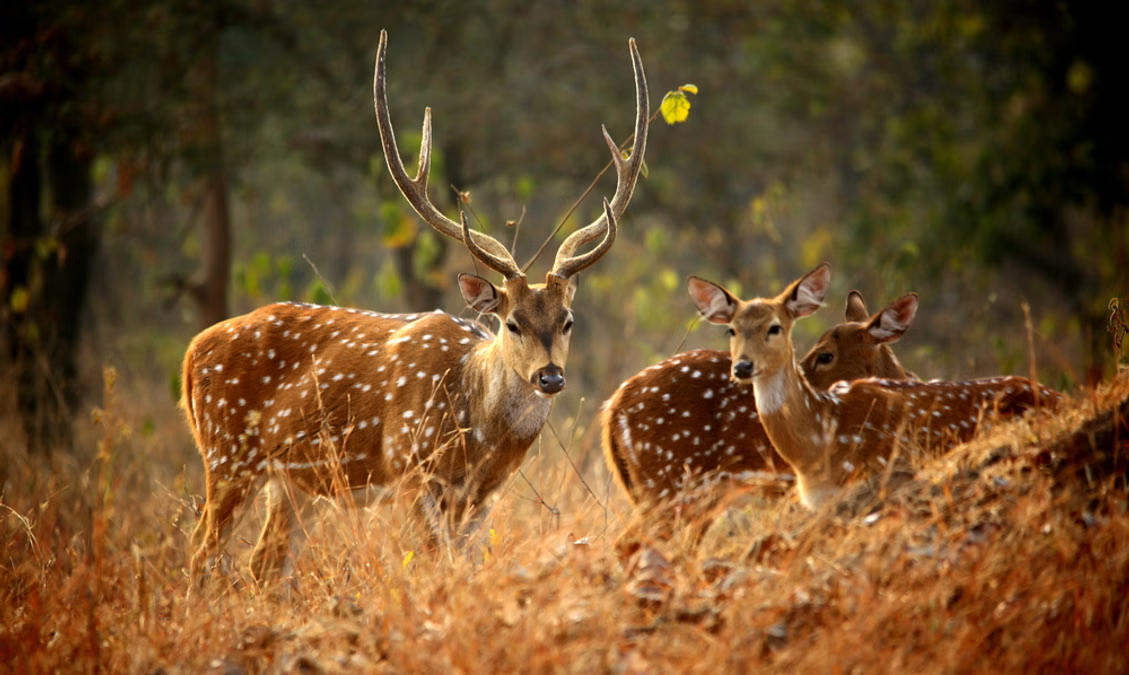
While visiting the Satpura national park, its timing is very crucial. From the best time to visit to closing to everything should be known. With the climate the forest changed from green to yellow in leaf-fall and there's also a change in animal behaviour. So Depending on which season you want to go, you might have different experiences. Nestled amidst the serene highlands, this forest in the heart of Madhya Pradesh is a tiger, leopard, Indian bison, wild dog, and spotted deer sanctuary. Here is a guide with a season wise break down to help you decide the best time for Satpura tour Because more than 300 species of birds also found. For example, the winter season offers great visibility due to the sparser vegetation, so it’s easier to see wildlife. By contrast, the verdant foliage of the early season provides a good photographic background. Knowing these seasonal changes means you can plan your trip according to what you wish to see, whether it’s tigers or birds.
The Best Season at a Glance
The months of November to May, that is the winter and summer months, are said to be the best time to visit Satpura National Park. In the winter months there is more crowd as the weather is pleasant and your chances of spotting wildlife are the highest. But the park remains open from October to June. The summer months from April to June are sweltering, but they offer the best chance to see tigers and other large mammals gathering near water. And for people who love watching birds, the window for birding is November through March as migratory birds are abundant. When to go in this period, depends on your heat tolerance and what animals you want to see the most.
Winter (November to February) - The Perfect Wildlife Time
In those days, the sun-high noon humidity and the night-cooling wind-mildness make the climate suitable for jungle visit. The trees and shrubs are scattered so it is good opportunity to see tiger, leopard and other animals. Animals are more active and they come out more often to get food and water in cold weather. It's the best time for birding since lots of beautiful migratory birds from cold countries come to Satpura for winter. The pleasant temperatures also make for longer, more leisurely game drives without having to rush out of the midday sun. This season is also ideal for walking safaris within the park. The days are bright and clear, giving excellent lighting to take photographs of wildlife and the park's magnificent scenery.
What to Pack: Warm clothing such as jackets, sweaters, and caps for the morning safari as it can be quite cold.
Summer (March to June) - For the True Wildlife Enthusiast
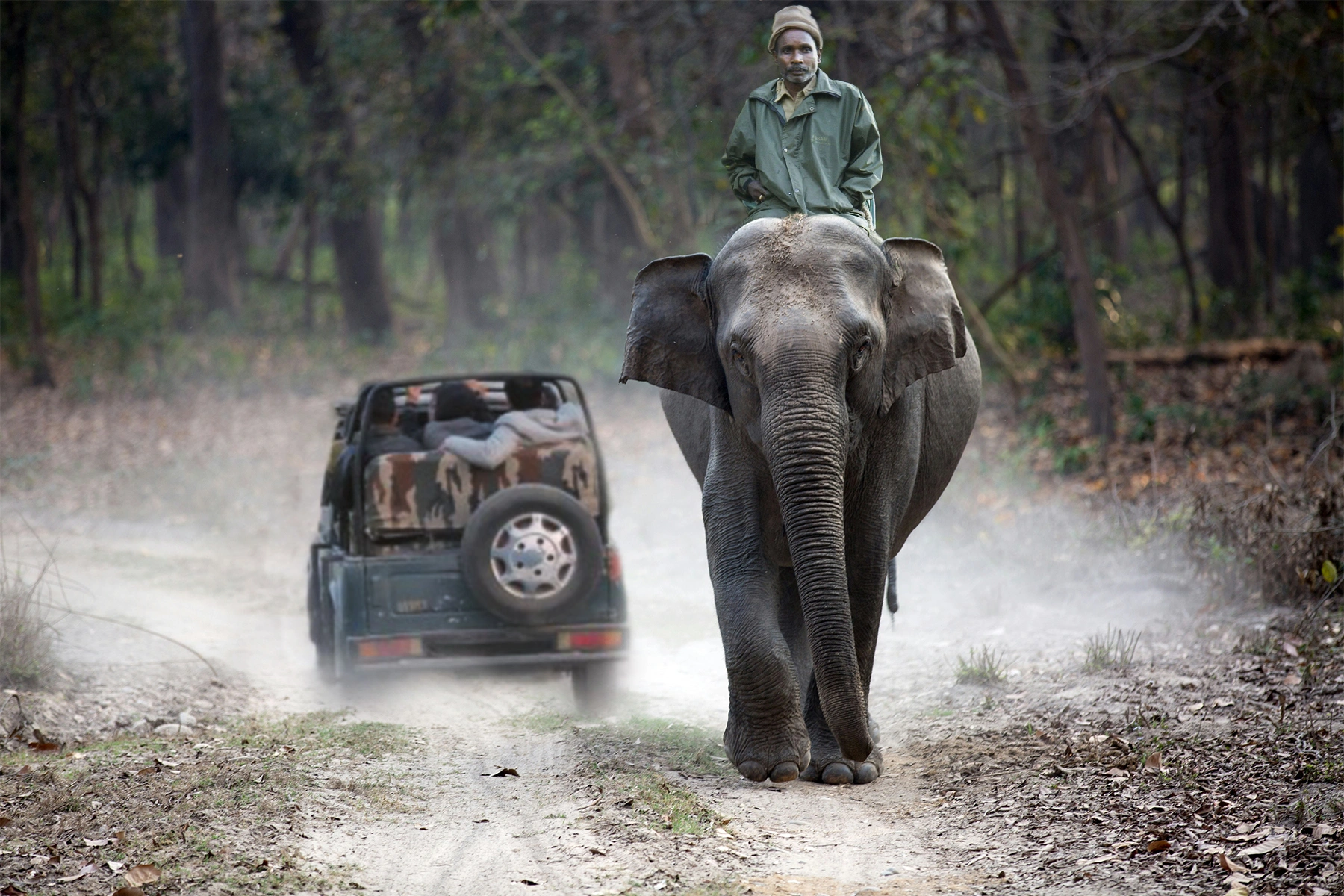
It is the best time to visit to see Royal Bengal Tiger as the summer sun blazes and the water dries up. Animals are drawn to the remaining waterholes and the opportunity to see the tiger and other wildlife increases. You can also spot reptiles and amphibians close to the water bodies. But a word of caution: Be sure to slather on the sunscreen and bring along some bottles of water because it gets mighty hot in May and June, and be ready for a strong blast of sun come afternoon. Despite the heat, early morning and late afternoon game drives are exhilarating with abundant activity around water holes. The thin dry jungle cover allows one to see right through into the heart of the jungle making viewing easier. Patience at waterholes during this season is often rewarded with spectacular animal shows.
What to Pack – You can wear light dry cottons. A hat, sunglasses and sunscreen are absolute must-haves. Bring lots of water to drink.
Monsoon (July to September) - The Closed Season
Satpura National Park remains closed to tourists during the monsoon from July to September. The region is generally rain-soaked making it impossible for jeeps to travel as the trails become muddy and slippery. It is religiously observed, that’s when animals breed and raise their young in peace so the park remains closed to protect them. The rain nourishes the forest and keeps the grass and plants fresh. Although the core zone is off-limits, the buffer zones and adjacent Pachmarhi hill station are still green and picturesque. This crucial period of rest allows the jungle to refresh itself, emerging lush and green for the next season of tourism. This shutdown will allow the park's ecosystem to remain thriving and successful for generations to come.